The world of artificial intelligence (AI) and natural language processing (NLP) has seen remarkable advancements in recent years, with ChatGPT, a language model developed by OpenAI, at the forefront. ChatGPT, powered by the GPT-3.5 architecture, has opened up exciting possibilities for businesses and developers looking to integrate conversational AI into their applications. In this article, we’ll take a deep dive into the landscape of ChatGPT development companies, exploring the top players in the field, their contributions, and the impact they’ve had on the AI industry.
I. The Rise of ChatGPT and Its Significance
ChatGPT is a descendant of the GPT (Generative Pre-trained Transformer) family of models, known for their ability to understand and generate human-like text. It has been hailed for its capability to hold coherent, context-aware conversations with users, making it an ideal choice for chatbots, virtual assistants, and other conversational AI applications.
A. Key Features of ChatGPT
Before we delve into the development companies, let’s briefly explore the features that make ChatGPT stand out:
- Natural Language Understanding: ChatGPT can understand and generate text that is indistinguishable from human communication, which makes it highly versatile for various applications.
- Multilingual Support: It supports multiple languages, making it accessible to a global audience.
- Contextual Understanding: ChatGPT can maintain context during conversations, ensuring coherent and relevant responses.
- Customizability: Developers can fine-tune and customize ChatGPT for specific applications and industries.
B. The Impact of ChatGPT
ChatGPT’s impact on the AI landscape has been substantial:
- Enhanced User Experiences: ChatGPT has significantly improved user interactions with chatbots and virtual assistants by providing more natural and helpful responses.
- Content Generation: Content creators have leveraged ChatGPT to generate articles, product descriptions, and more, streamlining content production.
- Customer Support: Many businesses have integrated ChatGPT into their customer support systems, leading to more efficient and round-the-clock assistance for customers.
- Education and Healthcare: ChatGPT has found applications in education, assisting students, and healthcare, providing information and support to patients.
II. The Leading ChatGPT Development Companies
As ChatGPT gained popularity, several companies emerged as key players in its development, contributing to its evolution and wide-scale adoption. Let’s explore some of these companies and their unique contributions.
A. OpenAI
OpenAI, the organization behind ChatGPT, has played a pivotal role in its development. They have consistently improved the model, enhancing its language capabilities and fine-tuning it for specific use cases. OpenAI also made the GPT-3 model available through an API, allowing developers to integrate it into their applications easily.
B. GPT-3 Development Partners
OpenAI has partnered with various companies, including startups and tech giants, to test and develop ChatGPT applications. These collaborations have led to the creation of innovative solutions in fields like healthcare, customer support, and content generation.
C. Microsoft
In 2020, Microsoft entered into a partnership with OpenAI, investing heavily in the development of ChatGPT. This collaboration has led to the integration of GPT-3 into various Microsoft products and services, including Microsoft Office and Azure, expanding the reach of ChatGPT to millions of users.
D. ChatGPT-As-A-Service Providers
Several companies have sprung up to provide ChatGPT-as-a-Service, making it more accessible to businesses. They offer APIs, SDKs, and tools that allow developers to easily integrate ChatGPT into their applications.
III. The Pioneering Use Cases
ChatGPT has found applications in a wide range of industries, with pioneering companies leading the way. Here are some notable use cases:
A. Healthcare
ChatGPT has been employed to assist healthcare professionals by providing information on medical conditions, medications, and patient care. It has also been used in mental health applications, offering support and counseling to individuals.
B. Customer Support
Businesses have integrated ChatGPT into their customer support systems, improving response times and providing round-the-clock assistance. These applications have significantly enhanced customer experiences.
C. Content Generation
Content creators, bloggers, and marketers have harnessed the power of ChatGPT to automate content generation, including articles, product descriptions, and marketing copy.
D. Education
In the field of education, ChatGPT has been used to assist students in answering questions, providing explanations, and even offering tutoring in various subjects.
IV. The Road Ahead
The future of ChatGPT and conversational AI is promising. As more companies and developers continue to explore its potential, we can expect to see:
A. Increased Customization
Developers will focus on fine-tuning ChatGPT for specific industries and use cases, resulting in more specialized and effective applications.
B. Ethical Considerations
As ChatGPT becomes more pervasive, ethical considerations surrounding its use, such as bias and misinformation, will need to be addressed.
C. Integration in the Metaverse
With the metaverse gaining momentum, ChatGPT and conversational AI will likely play a crucial role in shaping the way we interact and communicate in virtual worlds.
Conclusion
ChatGPT and the companies involved in its development have ushered in a new era of conversational AI. Their contributions have not only enhanced user experiences but also opened up possibilities across diverse industries. As the landscape of ChatGPT development continues to evolve, it’s clear that the impact of this technology will be felt for years to come. Stay tuned for the next article in this series, where we will delve deeper into the applications of ChatGPT in today’s world.
Unlocking the Potential: Applications of ChatGPT in Today’s World
In our previous article, “Exploring the Landscape: Top ChatGPT Development Companies,” we explored the evolution of ChatGPT and the companies driving its development. In this article, we will dive deeper into the applications of ChatGPT in today’s world, uncovering how this cutting-edge technology is transforming various industries and reshaping the way we interact with AI-powered conversational agents.

I. ChatGPT: A Versatile Conversational AI
ChatGPT, a prominent member of the GPT family of models developed by OpenAI, is distinguished by its remarkable ability to understand and generate human-like text. This versatility makes it a valuable asset in a wide range of applications across diverse sectors.
A. Customer Support and Service
One of the primary domains where ChatGPT has had a significant impact is customer support and service. Companies of all sizes have integrated ChatGPT-powered chatbots and virtual assistants into their websites and applications, offering real-time assistance to users. These conversational agents can answer frequently asked questions, troubleshoot technical issues, and even provide product recommendations.
B. Content Generation and Writing Assistance
Content creators, from bloggers to marketing professionals, have harnessed the power of ChatGPT to streamline content generation. ChatGPT can assist in writing articles, blog posts, product descriptions, and marketing copy, saving valuable time and resources. It’s a boon for those looking to maintain an active online presence.
C. Educational Support
In the education sector, ChatGPT has emerged as a valuable tool for students and educators. Students can use it to get instant explanations for complex concepts, practice language skills, and even receive tutoring in various subjects. Educators can leverage ChatGPT to create interactive learning materials and provide personalized feedback to students.
D. Healthcare Information and Support
ChatGPT has also found its place in healthcare, offering accessible information to patients and healthcare professionals. Patients can use ChatGPT to learn about medical conditions, medications, and general health advice. It can also assist in mental health applications by providing support and counseling services.
E. Natural Language Interface for Applications
Developers have integrated ChatGPT into a wide array of applications, giving them a natural language interface. This opens up possibilities for voice-activated AI, interactive storytelling, and even enhancing the user experience in mobile apps and websites.
II. Enhancing User Experiences
The integration of ChatGPT in various applications has resulted in substantial improvements in user experiences across different sectors. Let’s take a closer look at how ChatGPT is enhancing interactions and benefiting users.
A. Personalization
ChatGPT’s ability to understand context and engage in natural conversations allows for highly personalized interactions. It can remember user preferences, adapt to specific needs, and provide tailored recommendations, whether it’s about product choices or learning materials.
B. Accessibility
By offering a text-based interface, ChatGPT ensures accessibility for a wide audience, including those with disabilities. It provides an inclusive means for individuals to access information, get assistance, and interact with applications.
C. Speed and Efficiency
In customer support and service, ChatGPT-powered chatbots can handle multiple queries simultaneously, reducing wait times and providing quick responses. This improves efficiency and helps businesses serve their customers more effectively.
D. 24/7 Availability
Unlike human customer support agents, ChatGPT-powered virtual assistants are available round the clock. This 24/7 availability ensures that users can get help and information whenever they need it, regardless of time zones or working hours.
III. The Evolution of ChatGPT Applications
The applications of ChatGPT are not static; they continue to evolve as developers and businesses explore its potential. Here are some noteworthy trends and developments in ChatGPT applications:
A. Customization
To address specific industry needs and enhance performance, developers are increasingly customizing ChatGPT models. This involves fine-tuning the models for particular use cases, ensuring that they provide more accurate and relevant responses.
B. Multilingual Support
The demand for multilingual AI is on the rise. ChatGPT’s capacity to understand and generate text in multiple languages is a game-changer, enabling businesses to cater to a global audience.
C. Ethical Considerations
As ChatGPT and similar AI technologies become more pervasive, ethical considerations, such as bias and misinformation, come to the forefront. Developers and companies are working to address these issues, implementing measures to make AI more responsible and transparent.
IV. The Future of ChatGPT Applications
Looking ahead, the future of ChatGPT applications appears promising, with several trends and developments on the horizon.
A. Specialized Industry Solutions
We can expect to see ChatGPT models tailored for specific industries. Whether it’s healthcare, finance, or e-commerce, specialized models will provide more accurate and sector-specific information and assistance.
B. Integration in the Metaverse
The metaverse, a growing digital universe where people can interact, work, and play, holds immense potential for ChatGPT. Integrating AI-powered conversational agents in virtual worlds will create immersive, lifelike experiences.
C. Ethical AI
As AI adoption continues to surge, the focus on ethical AI will intensify. Ensuring that AI systems are unbiased, respectful of privacy, and reliable will be a top priority for developers and businesses.
Conclusion
ChatGPT’s versatility and natural language understanding have made it a transformative force in various industries. From enhancing user experiences to automating content generation and providing accessible education and healthcare support, the applications of ChatGPT are extensive and diverse. As technology continues to advance, we can look forward to more specialized solutions, deeper integration in the metaverse, and a greater emphasis on ethical considerations. In the next article of this series, we will explore the exciting realm of metaverse AI integration and how it interacts with ChatGPT.

Metaverse Integration: The Future of AI and Virtual Worlds
As we continue our journey through the fascinating world of AI, we arrive at a pivotal intersection of technology and virtual reality – the metaverse. In our previous articles, we explored ChatGPT’s development and applications. Now, we delve into the concept of metaverse AI integration and how it is reshaping the way we interact with virtual worlds. This article will unravel the synergistic relationship between AI and the metaverse and its potential to create immersive, interactive, and transformative experiences.
I. The Emergence of the Metaverse
The metaverse is a term that has gained immense popularity in recent years, capturing the imagination of technology enthusiasts, gamers, and business leaders. But what is the metaverse, and why is it generating so much excitement?
A. Defining the Metaverse
The metaverse refers to a collective virtual shared space that encompasses augmented reality (AR) and virtual reality (VR) environments. It is a digital universe where users can interact with each other, digital objects, and AI-driven entities. The metaverse aims to create an immersive, interconnected, and persistent digital realm that mirrors the physical world in its complexity.
B. Metaverse Building Blocks
Several key technologies and components contribute to the development of the metaverse:
- VR and AR Technologies: Virtual reality and augmented reality technologies are fundamental to creating immersive metaverse experiences. VR headsets and AR glasses enable users to visualize and interact with digital elements in the real world.
- Blockchain and NFTs: Blockchain technology is used for creating and managing digital assets within the metaverse. Non-fungible tokens (NFTs) allow for ownership and exchange of unique digital assets, from virtual real estate to digital artwork.
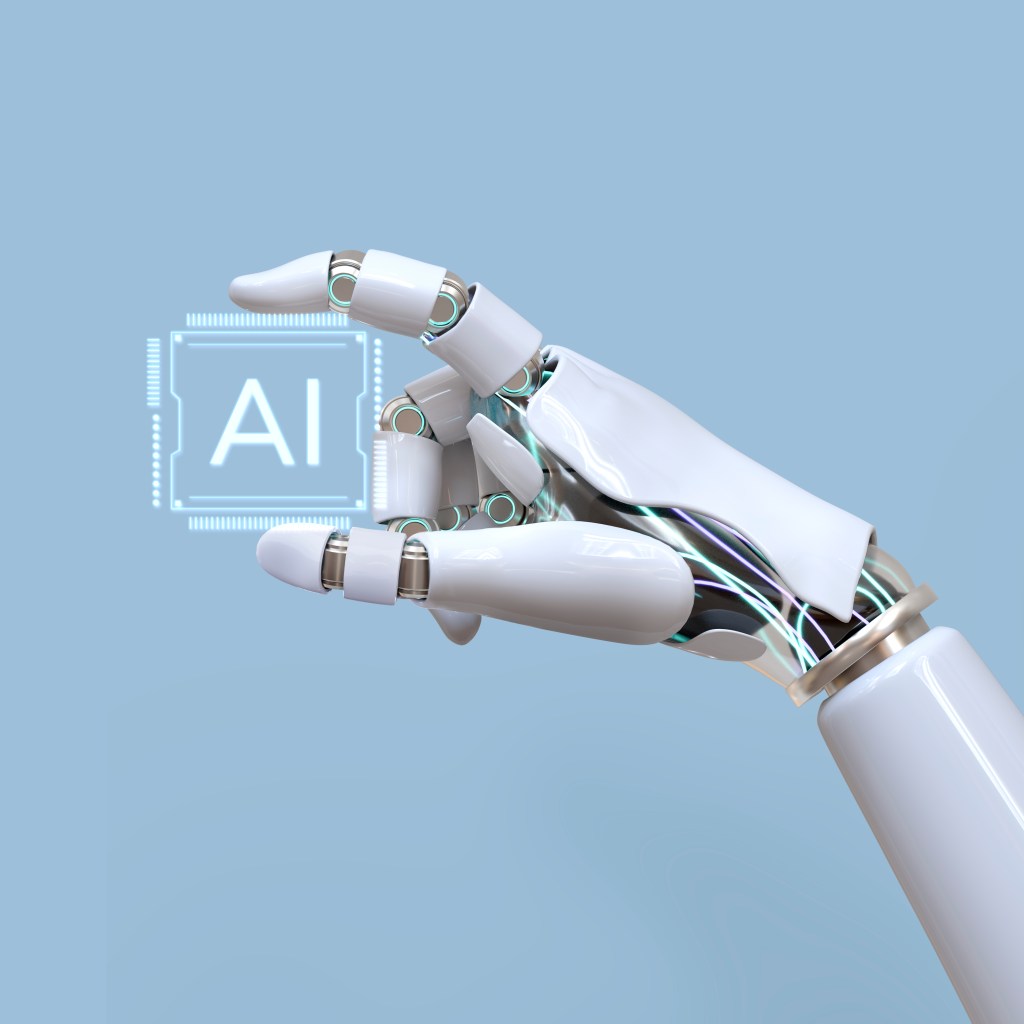
- AI and Natural Language Processing: AI, including language models like ChatGPT, plays a critical role in shaping the metaverse by providing intelligent, interactive agents and content generation capabilities.
II. AI-Powered Interactions in the Metaverse
In the metaverse, AI takes center stage by enhancing the overall user experience and enabling interactions that mimic real-life scenarios. Here are some key areas where AI is shaping the metaverse:
A. Conversational AI Agents
ChatGPT and similar conversational AI models become the digital guides and companions in the metaverse. These AI agents can hold lifelike conversations, provide information, assist in tasks, and even engage in storytelling, enriching the immersive experience for users.
B. Personalization and Adaptation
AI algorithms track user behaviors and preferences to personalize the metaverse experience. This includes suggesting virtual events, content, and interactions tailored to individual tastes, creating a more engaging and enjoyable environment.
C. Content Generation
AI-driven content generation is vital for populating the vast expanses of the metaverse. AI can create dynamic, interactive content such as quests, dialogues, and narratives that adapt based on user choices, providing endless possibilities for exploration and engagement.
D. Realistic NPCs (Non-Player Characters)
AI-controlled NPCs are central to gaming experiences in the metaverse. These virtual characters are capable of realistic behaviors, making interactions and challenges in virtual worlds more dynamic and engaging.
III. Immersive Gaming and Entertainment
Gaming and entertainment are among the primary drivers of metaverse development, and AI plays a transformative role in these sectors.
A. Gaming in the Metaverse
In the metaverse, gaming is elevated to new heights. AI technologies create intricate, evolving game worlds with realistic environments, complex NPCs, and dynamic storylines. Gamers can engage in cooperative and competitive experiences with players from around the globe, fostering a sense of community and competition.
B. Entertainment and Virtual Events
The metaverse is not limited to gaming; it also serves as a hub for entertainment and virtual events. AI-driven agents can organize and host live concerts, art exhibitions, and other cultural experiences that attract participants from all corners of the world.
IV. Real-World Applications
Beyond gaming and entertainment, the metaverse holds immense potential for real-world applications.
A. Education and Training
The metaverse provides a platform for immersive education and training. AI-driven environments can replicate real-world scenarios for training purposes, and educators can use the metaverse for interactive lessons, making learning engaging and accessible.
B. Business and Collaboration
AI-enhanced meeting spaces and virtual offices in the metaverse are changing the way businesses collaborate. With the integration of AI-driven chatbots, businesses can streamline customer support, facilitate virtual trade shows, and create engaging presentations for clients.
C. Healthcare and Therapy
AI-powered avatars in the metaverse can assist in healthcare settings by providing telehealth services, offering mental health support, and even assisting in physical therapy exercises.
V. Ethical Considerations and Challenges
As the metaverse continues to evolve, ethical considerations and challenges emerge.
A. Data Privacy
With vast amounts of user data generated in the metaverse, protecting user privacy becomes a paramount concern. Striking a balance between personalization and data security is a challenge that needs to be addressed.
B. Digital Identity
The concept of digital identity and ownership in the metaverse is complex. Users may own digital assets and data, such as avatars, clothing, and digital real estate, raising questions about the management of digital property rights.
C. AI Bias and Regulation
AI models used in the metaverse, including conversational agents, must be carefully monitored for bias and ethical concerns. Regulatory frameworks may need to be established to ensure responsible AI use.
VI. The Road Ahead: Metaverse and ChatGPT
The metaverse is not a distant vision but a rapidly evolving reality. The integration of AI, including ChatGPT, will continue to play a pivotal role in shaping the metaverse’s future. Here’s what we can expect in the coming years:
A. Enhanced User Engagement
As AI technologies improve, user engagement in the metaverse will become more immersive and personalized, drawing in an even larger and diverse audience.
B. Expanding Use Cases
The metaverse’s potential is limitless. We can anticipate its integration into various aspects of our lives, from work and education to social interactions and entertainment.
C. Ethical AI and Regulation
With increased metaverse usage, the need for ethical AI practices and regulatory oversight will become more pronounced, ensuring that users’ rights and data are protected.
Conclusion
The metaverse is a transformative and evolving concept that merges the digital and physical worlds into a unified digital reality. AI, particularly ChatGPT, has become an indispensable component in the development and operation of the metaverse. By powering lifelike conversations, personalizing experiences, creating content, and managing interactions, AI is fundamentally changing how we engage with virtual worlds. The metaverse represents an exciting frontier in technology, and its integration with AI holds the promise of shaping the way we work, learn, play, and connect in the digital age. In our next article, we will explore the role of AI in sentiment analysis, a crucial element in understanding human behavior and emotions in both the real and virtual worlds.
The Role of AI in Sentiment Analysis: Understanding Emotions in the Digital Era
In the rapidly evolving landscape of AI and data analytics, sentiment analysis has emerged as a vital tool for understanding human emotions, opinions, and behavior. Whether in the real world or the virtual realm of the metaverse, sentiment analysis is crucial for businesses, organizations, and individuals seeking to gain insights into the minds and hearts of their audiences. In this article, we will explore the role of AI in sentiment analysis and how it is changing the way we comprehend and respond to the complex world of human emotions.
I. Sentiment Analysis: A Window into Human Emotions
Sentiment analysis, also known as opinion mining, is the process of using natural language processing and machine learning techniques to determine the sentiment, emotional tone, or opinion expressed in text or speech data. Its applications are broad, spanning various domains, including business, marketing, customer service, social media, and more.
A. The Three Sentiments
Sentiment analysis typically categorizes text data into three primary sentiments:
- Positive Sentiment: Indicates a positive emotional tone, such as happiness, satisfaction, or approval.
- Negative Sentiment: Conveys a negative emotional tone, encompassing emotions like anger, frustration, or disappointment.
- Neutral Sentiment: Represents a lack of strong positive or negative emotions and is often associated with factual or objective statements.
B. Sentiment Analysis Approaches
There are two main approaches to sentiment analysis:
- Rule-Based Approach: This approach involves the use of predefined rules and lexicons to determine sentiment based on the presence of certain words or phrases. It is a more traditional method and may lack flexibility in handling nuanced language.
- Machine Learning Approach: In this approach, machine learning models, often powered by AI, are trained on large datasets to predict sentiment. This method is more adaptable and can handle complex language patterns and contexts.
II. AI and Sentiment Analysis
Artificial intelligence, particularly natural language processing (NLP) and machine learning, has revolutionized sentiment analysis by enabling more accurate, nuanced, and scalable analysis of human emotions in text data.
A. NLP Techniques
NLP techniques such as tokenization, part-of-speech tagging, and syntactic parsing play a vital role in understanding the context and structure of text data, allowing AI models to determine sentiment more accurately.
B. Machine Learning Models
Machine learning models, including deep learning models, have the capacity to analyze large volumes of text data and recognize subtle emotional cues. These models can adapt to different languages and dialects, making them versatile for global applications.
C. Sentiment Lexicons
AI models often use sentiment lexicons, which are vast lists of words and phrases labeled with their sentiment polarity (positive, negative, or neutral). These lexicons help AI systems identify sentiment signals in text data.
III. Applications of Sentiment Analysis
Sentiment analysis is a versatile tool with numerous applications in both the real world and the virtual world of the metaverse. Let’s explore some of its prominent use cases.
A. Customer Feedback and Support
Businesses use sentiment analysis to gauge customer satisfaction and identify areas for improvement. AI-powered sentiment analysis can process customer reviews, survey responses, and social media comments, providing valuable insights for product development and customer support.
B. Brand Reputation Management
Sentiment analysis helps organizations monitor their brand reputation by analyzing online conversations and news articles. This enables companies to respond promptly to negative sentiment and protect their brand image.
C. Market Research
Market researchers leverage sentiment analysis to gather consumer opinions and track market trends. AI models analyze consumer feedback to gain insights into product preferences and identify emerging market opportunities.
D. Social Media Listening
In the metaverse and the real world, social media plays a significant role in shaping public opinion. Sentiment analysis tools help individuals and organizations monitor social media conversations, detect trends, and assess public sentiment toward specific topics, events, or brands.
E. Content Personalization
Content creators and digital marketers use sentiment analysis to personalize content and advertisements. By understanding the sentiment of their audience, they can tailor content to resonate with emotions and preferences, leading to more effective communication.
IV. Sentiment Analysis in the Metaverse
Sentiment analysis is not confined to the real world; it is also making a significant impact in the metaverse. Here’s how AI-powered sentiment analysis is shaping virtual reality environments.
A. Virtual Social Interactions
In the metaverse, social interactions are a cornerstone of the experience. Sentiment analysis helps virtual communities and platforms monitor the emotional tone of interactions, creating a more positive and engaging environment.
B. Content Curation
The metaverse is brimming with content, from virtual art galleries to immersive storytelling experiences. Sentiment analysis can help users discover content that matches their emotional preferences, enhancing their overall experience.
C. Emotional Feedback
Metaverse AI can use sentiment analysis to provide users with feedback on their virtual interactions. This feedback can be used to improve communication skills and enhance emotional intelligence in virtual social interactions.
V. Challenges and Considerations
While AI has transformed sentiment analysis, challenges remain in the accurate interpretation of emotions and the ethical use of this technology.
A. Contextual Understanding
Sentiment analysis models often struggle to fully understand context and sarcasm, leading to occasional misinterpretations. Improving contextual awareness is an ongoing challenge for AI in this field.
B. Multilingual Support
As the metaverse transcends borders, it’s essential for sentiment analysis to support multiple languages and dialects, ensuring that users from diverse backgrounds are understood and catered to effectively.
C. Ethical Use
Using sentiment analysis in the metaverse raises ethical concerns related to user privacy and data security. Developers and platform providers need to establish clear guidelines for responsible use.
VI. The Road Ahead: AI and Sentiment Analysis
The future of sentiment analysis holds exciting possibilities as AI continues to advance.
A. Improved Contextual Understanding
AI models are expected to become more adept at understanding nuanced language and sarcasm, leading to more accurate sentiment analysis.
B. Real-Time Analysis
Sentiment analysis tools in the metaverse will become faster and more responsive, offering real-time feedback and insights for users.
C. Ethical Considerations
The ethical use of sentiment analysis will be a focal point, with guidelines and regulations ensuring that user privacy and data are safeguarded.
Conclusion
Sentiment analysis powered by AI is a transformative force that allows us to gain deeper insights into human emotions, opinions, and behavior. Whether in the real world or the metaverse, the role of sentiment analysis is critical for businesses, organizations, and individuals seeking to understand and respond to the complex world of human sentiments. As AI technology continues to evolve, we can expect more accurate, nuanced, and ethically responsible sentiment analysis, reshaping the way we connect, communicate, and empathize in the digital era. In the next article of this series, we will explore the potential of AI-driven healthcare applications and their impact on patient care in the metaverse and beyond.
AI-Driven Healthcare in the Metaverse: Transforming Patient Care and Beyond
The metaverse, a burgeoning digital universe, is not confined to gaming and entertainment. It holds immense potential to revolutionize healthcare and patient care. As we continue our exploration of AI’s role in shaping the metaverse, this article delves into the world of AI-driven healthcare applications. We will uncover how the metaverse, coupled with artificial intelligence, is transforming healthcare, enhancing patient experiences, and expanding the boundaries of medical innovation.
I. The Metaverse: Beyond Entertainment
The metaverse is often associated with immersive gaming and social experiences, but its potential extends far beyond entertainment. It represents a convergence of digital and physical realities, offering opportunities for innovation across various sectors, particularly in healthcare.
A. The Metaverse in Healthcare
The healthcare sector stands to benefit significantly from the metaverse’s capabilities. The metaverse can facilitate telehealth, immersive medical training, patient support, and collaborative research, all powered by AI-driven applications.
II. Telehealth and Telemedicine
Telehealth, or telemedicine, refers to the use of digital technology to provide healthcare remotely. AI-driven applications in the metaverse enhance telehealth in multiple ways.
A. Virtual Doctor-Patient Interactions
AI-powered avatars in the metaverse can act as virtual doctors, offering consultations and diagnoses to patients. These avatars can understand and respond to patient inquiries, provide medical information, and offer recommendations for treatment.
B. Remote Monitoring
AI-driven sensors and wearables can collect real-time health data and transmit it to virtual clinics within the metaverse. Patients can receive constant monitoring and immediate feedback, especially for chronic conditions.
C. Medical Training and Simulation
Healthcare professionals can utilize the metaverse for training and simulations. AI-based environments can replicate surgical procedures, medical emergencies, and patient interactions, offering a risk-free space for medical students and professionals to enhance their skills.
III. Immersive Patient Support
The metaverse provides a unique platform for immersive patient support and education. AI-driven applications enhance the patient experience in numerous ways.
A. Virtual Support Groups
Patients facing similar medical conditions can connect in virtual support groups within the metaverse. AI-driven agents facilitate discussions, provide information, and offer emotional support, creating a sense of community among patients.
B. Medical Information and Education
AI avatars within the metaverse can deliver educational content to patients, explaining medical procedures, treatment plans, and health management in a user-friendly and interactive manner.
C. Therapeutic Environments
Virtual therapeutic environments offer patients immersive spaces for relaxation and recovery. AI-controlled elements, such as calming visuals and sounds, contribute to a healing atmosphere.
IV. Collaborative Research and Innovation
The metaverse fosters collaboration among healthcare professionals, researchers, and patients, accelerating medical innovation and research.
A. Cross-Border Collaborations
Geographical boundaries no longer limit medical research. Researchers from different parts of the world can collaborate in virtual environments, sharing data and insights in real-time.
B. Drug Discovery and Simulation
AI-driven simulations in the metaverse enable drug discovery and testing. Virtual laboratories can model the effects of new medications, reducing costs and expediting the research process.
C. Patient-Driven Research
Patients can actively participate in medical research through the metaverse, sharing data and experiences with researchers. AI helps analyze patient-contributed data to identify trends and insights.
V. AI and Diagnostic Capabilities
AI’s role in the metaverse extends to diagnostic and monitoring applications, transforming how healthcare professionals detect and manage diseases.
A. Image and Pattern Recognition
AI algorithms can analyze medical images and patterns more efficiently than traditional methods. This capability is invaluable in radiology, pathology, and other diagnostic fields.
B. Early Disease Detection
AI-driven diagnostics can identify early signs of diseases and conditions, enabling timely intervention and treatment. This can lead to better outcomes and reduced healthcare costs.
C. Predictive Analysis
AI models can predict disease outbreaks and healthcare trends, assisting healthcare systems in resource allocation and planning.
VI. Challenges and Considerations
While the marriage of AI and the metaverse offers groundbreaking possibilities for healthcare, it also raises important challenges and ethical considerations.
A. Data Security and Privacy
Managing sensitive patient data within the metaverse requires robust security measures and strict adherence to data privacy regulations.
B. Ethical Use of AI
AI applications in healthcare must prioritize ethical considerations, including transparency, fairness, and accountability.
C. Accessibility
Ensuring that AI-driven healthcare solutions in the metaverse are accessible to all, regardless of location or socioeconomic status, is a key challenge.
VII. The Road Ahead: AI-Driven Healthcare in the Metaverse
The metaverse’s influence on healthcare is only expected to grow in the coming years. Several trends and developments are on the horizon.
A. Improved Telehealth Experiences
AI-powered virtual doctors and immersive telehealth experiences will become more sophisticated, offering a high level of care and interaction.
B. Virtual Medical Records
Patients may have their medical records stored within the metaverse, ensuring accessibility and continuity of care, no matter where they are in the world.
C. AI-Powered Drug Development
AI-driven simulations for drug discovery and development will continue to advance, potentially leading to quicker, more effective treatments for diseases.
Conclusion
AI-driven healthcare applications within the metaverse are set to transform the way we approach patient care, medical training, research, and innovation. This convergence of technology and healthcare offers improved patient experiences, cross-border collaboration, and innovative diagnostic capabilities. As AI continues to evolve and the metaverse expands, the possibilities for healthcare are limitless. The metaverse is not merely an extension of our physical world; it’s a gateway to an augmented and transformative healthcare experience that transcends borders and enriches patient care on a global scale. In our next article, we will explore the evolving landscape of AI in financial services, focusing on the digital revolution in banking, investments, and financial planning.
 niaai.tech.blog